There's a specific kind of reading experience that single POV just can't deliver: the moment you're inside his head while he watches her across a room and realizes, with some mix of dread and inevitability, that he's done for. We didn't know we needed that scene until we had it. Now we can't go back. Single POV slow burns still work, obviously, but there's something about dual POV romantasy that makes the tension physically unbearable in the best way. You know he's falling. She doesn't. You're watching both sides of the same disaster in real time.
The books on this list aren't here just because they alternate chapters. They're here because the dual perspective actually does something, whether that's deepening the dramatic irony, making the grovel land harder, or letting the MMC's interiority reframe everything you thought you understood about the first half. We've tried to spread these across spice levels and subgenres because "dual POV romantasy" covers a lot of ground, from dragon war academies to vampire courts to gods-and-mythology epics where someone is already centuries in love and no one told the FMC.
One note on series placement: several of these are mid-series or finale books. We've flagged that where relevant. Starting at book seven of anything is its own extreme sport, and we respect your autonomy to make that choice.
1,000+ romance books tagged by trope. Filter by spice, genre, and series length.
Start HuntingHe Already Knows. She Doesn't Yet.
These are the books where the he-falls-first tag actually has receipts, because you're in his POV watching it happen. The dramatic irony is almost cruel.
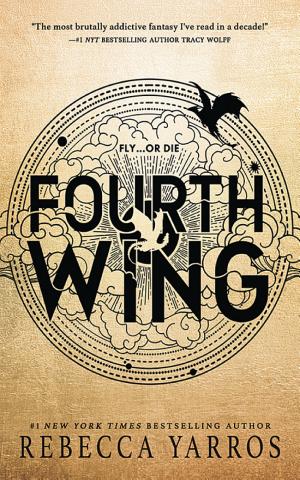
Fourth Wing
Xaden's POV chapters are doing a lot of quiet, devastating work in this book, and the fandom noticed. Violet is convinced he's a threat. Xaden is spending entire chapters trying not to be obvious about the fact that she's already gotten to him. Dragon war academy, enemies-to-lovers with actual stakes, and a slow burn that earns its payoff. The dual POV here isn't just a structural choice, it's how Yarros creates one of the more genuinely tense will-they dynamics in recent romantasy.
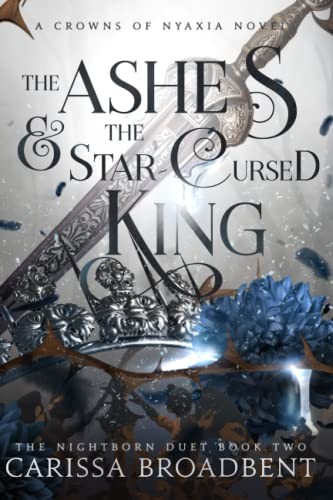
The Ashes and the Star-Cursed King
Raihn is one of those MMCs where you read his POV and immediately understand why readers lose their minds over him. He's morally gray in the way that actually costs him something, and his chapters in this book are quietly wrecking while Oraya is still figuring out whether to trust him. Vampire courts, power plays, a grovel that lands because you watched him earn it from the inside. Broadbent is doing something genuinely interesting with the dual structure here, using it to build dramatic irony that single POV couldn't achieve.
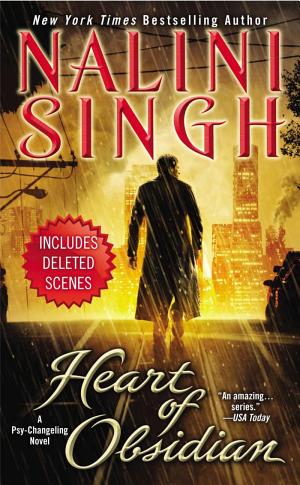
Heart of Obsidian
Fair warning: this is book twelve and jumping in cold is chaotic, but the dual POV here is unlike anything else on this list. Kaleb Krychek has been the most dangerous man in his world for years of series runtime, and his interior life, when you finally get it, is completely disorienting in a way that feels intentional. He has been in love with Sahara for the entire series. She doesn't remember. Singh uses the dual structure to make that asymmetry feel earned rather than gimmicky. Possessive hero who is genuinely terrifying, but his chapters make you understand it anyway.
The Epic Series Finales That Earn the Payoff
These are for readers deep in a series who know exactly what they signed up for. The dual POV here is doing the heavy lifting of paying off hundreds of pages of buildup.
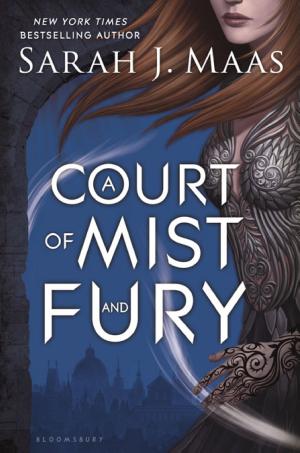
A Court of Mist and Fury
We're not going to pretend this isn't the book that broke everyone. Feyre's POV carries the weight of her trauma while Rhysand's perspective, when you get it, retroactively reframes every single interaction in a way that made readers throw their books across rooms. The fae court politics are dense, the found family is genuinely earned, and the he-falls-first element hits harder because you spend much of the book watching Rhysand perform something he's not. One of the more structurally clever uses of dual POV in romantasy, even if the prose can be a lot depending on your tolerance for SJM's style.
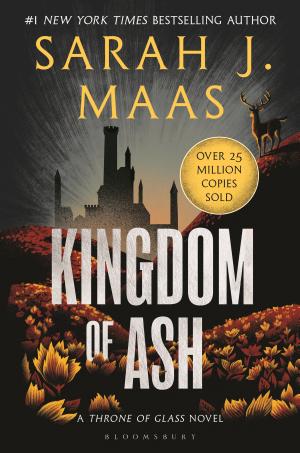
Kingdom of Ash
Nine hundred pages. Multiple POVs across a cast you've spent seven books with. This is the kind of finale that only works if the series already has you, and if it does, the dual-and-sometimes-triple perspective is how Maas makes a war story feel personal rather than epic in the detached sense. Rowan's chapters when Aelin is separated from him are difficult in the best way. You know what he's feeling before she does. The grovel is real. The hurt/comfort lands. We'd call this required reading for anyone who made it to book four of ToG and feels seen by that specific brand of SJM angst.
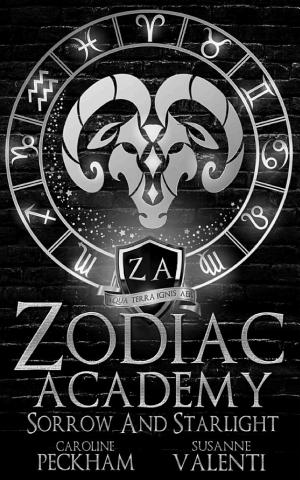
Zodiac Academy: Sorrow and Starlight
The Zodiac Academy series is written by two authors who alternate the male and female POVs, and by book eight that structure has become something genuinely affecting. You've watched both sides of this relationship get destroyed and rebuilt across thousands of pages. Sorrow and Starlight is where impossible choices finally arrive, and the dual perspective makes the devastating moments hit from every angle. This is not a starting point. This is a reward for reading commitment.
The Dual POV Slow Burn You Can Start Right Now
For when you want the inside-his-head experience without committing to a seven-book backlist first.
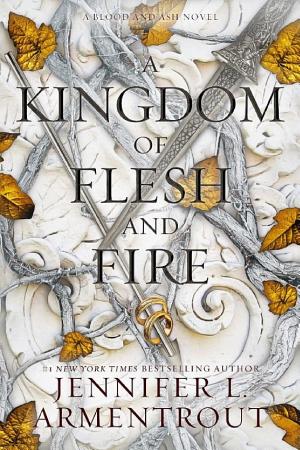
A Kingdom of Flesh and Fire
The first Blood and Ash book is single POV, which is fine. Book two adds Hawke's perspective and immediately explains why readers had already become obsessed with him. His chapters retroactively recontextualize book one, and they're doing the specific dual POV thing where you understand his feelings before Poppy does, which is a specific kind of pain this readership tends to enjoy. High spice, possessive hero who has a genuinely complicated interiority, and an arranged marriage situation that is not what it appears to be.
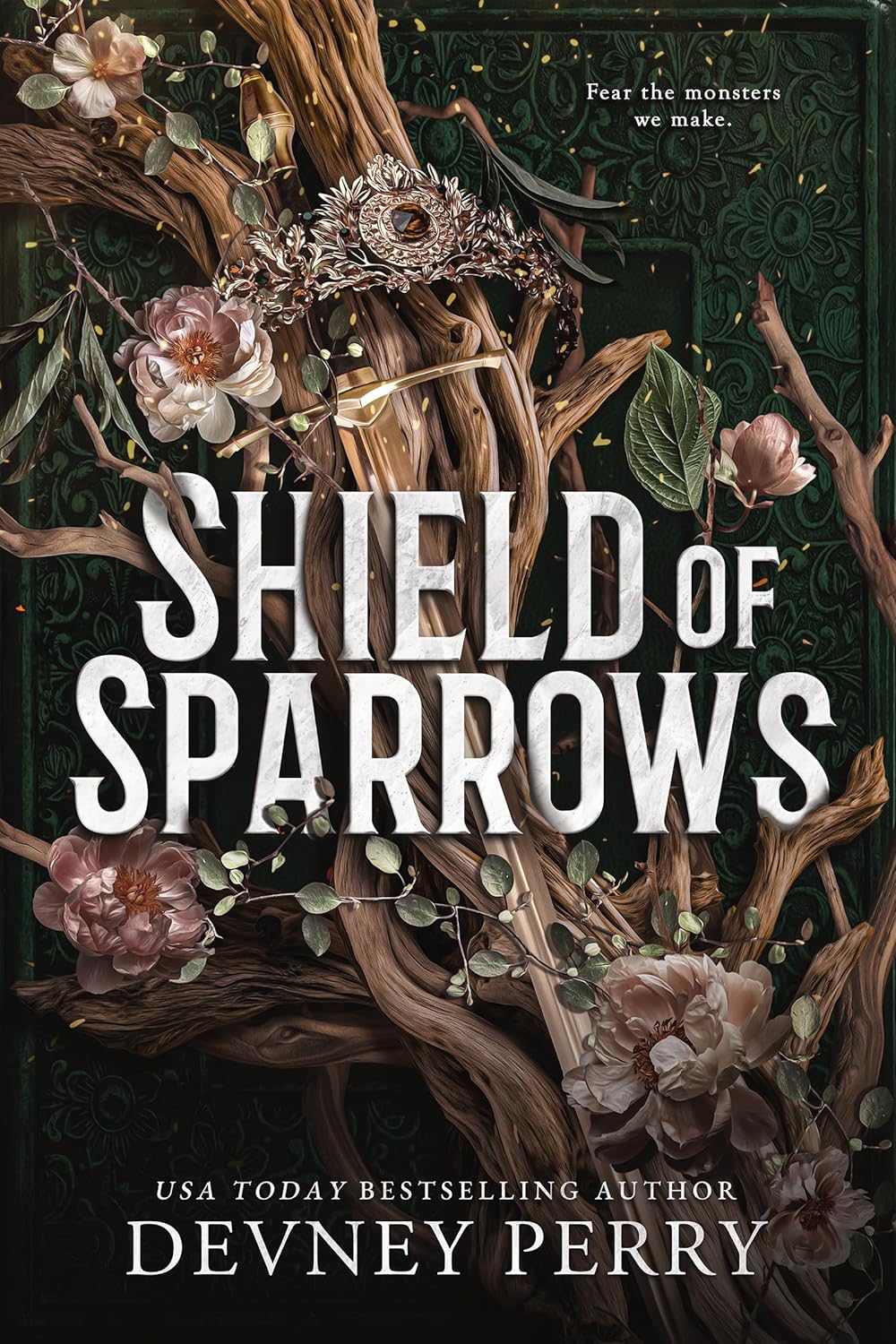
Shield of Sparrows
A standalone romantasy with dual POV is genuinely hard to find, which is reason enough to flag this one. Princess forced into a fake-dating situation with someone who is supposed to be her enemy, but the dual chapters mean you get his perspective on the performance falling apart in real time. Court politics, forbidden love, slow burn with actual first kiss tension. Perry writes the male POV with enough interiority that you feel the shift the moment it stops being fake for him.
The Ones With More to Prove
These get mentioned less often in dual POV romantasy conversations, but the structure is doing something distinctive in each of them.
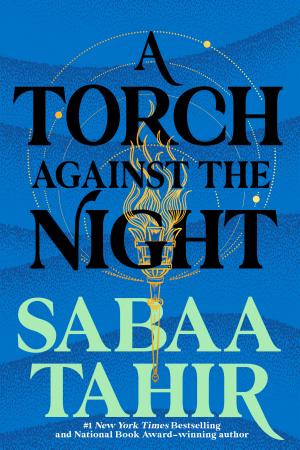
A Torch Against the Night
Tahir writes three POVs in this series and all of them earn their space, but the Laia and Elias chapters are where the dual-perspective tension lives. They're on a quest together. They're trying not to fall for each other. The love triangle element is genuinely complicated rather than manufactured, and the morally gray MMC tag here means Elias's chapters have a quality of honest self-examination that you don't always get. Lower spice than most on this list, but the emotional depth and slow burn first-kiss tension more than compensate.
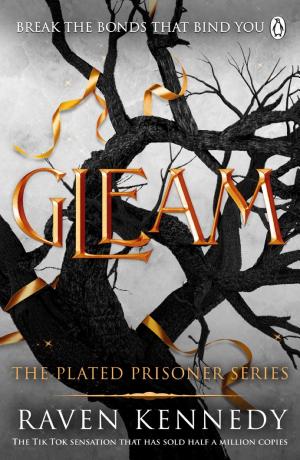
Gleam
The Plated Prisoner series is a Midas retelling, and by book three Auren is finally starting to understand what's been kept from her. Slade's dual POV chapters are doing double duty: they're advancing a plot that requires his perspective to make sense, and they're showing a man who has already made his decision about her while she's still figuring out if she can trust her own instincts. He falls first is an understatement. The power reveal here lands harder because you've been in his head watching him hold back.
Tell us what you love and what you avoid. Every book gets scored to match.
Create My Profile