There's a specific kind of reading experience where you close the book and realize you've been holding a city, a court, a whole cosmology in your head for the past four hundred pages, and you're not entirely sure how to return to your actual life. The romance matters, yes, but so does the texture of the world around it. The magic system that makes the power dynamic between the leads feel genuinely high-stakes. The court politics that turn a slow burn into something with actual structural weight. The mythology so carefully constructed that when it breaks, you feel it.
We'll be honest: most romantasy doesn't clear this bar. A lot of it is perfectly enjoyable and fairly interchangeable in setting. You get the fae court, the vague medieval vibes, the magic that mostly serves as a plot device. The books on this list are different. These are the ones where the worldbuilding does real work, where the setting shapes the characters' choices in ways that feel inevitable, where you'd miss the world itself even if you somehow extracted the romance from it. Some have dense, intricate mythologies. Some build their texture quietly, through detail and atmosphere rather than exposition. A few are actually quite old in the genre and still unmatched for what they do. We've tried to spread the spice levels and series lengths because not everyone has time to commit to an eight-book arc just to feel feelings about fictional geography.
A bias upfront: we weight setting that has consequences. If the world could be swapped for a different world without changing the relationship, it doesn't belong here. Everything below passes that test, in our view.
1,000+ romance books tagged by trope. Filter by spice, genre, and series length.
Start HuntingMythologies Built From the Ground Up
These books don't borrow from existing folklore and call it a day. They construct their divine systems, their magic, their cosmologies with enough internal logic that you start arguing about them like they're real.

Kushiel's Avatar
This is probably the most ambitious worldbuilding project in romance-adjacent fantasy, full stop. Carey constructs an alternate medieval Europe where theology, politics, sexuality, and magic are all woven together from a single coherent premise, and by book three she's taking Phèdre and Joscelin across the known world into territory that forces every assumption the series has built to be tested. The relationship works precisely because the world's moral framework makes their bond genuinely costly. Nothing about the stakes is arbitrary. This is scorching, kink-forward, and emotionally gutting in ways that only land because the world earns them.

Circe
Madeline Miller takes Greek mythology and makes it feel lived-in and strange and sad in equal measure. Circe is an outlier among gods because she's weak by their standards, and the world Miller builds around that fact, the internal politics of Olympus, the way time works differently for immortals, the texture of her island as a space of exile that becomes a kind of power, all of it is doing constant work underneath the romance. The love interests are few and none of them uncomplicated. This is one of the rare books where the worldbuilding creates the emotional core rather than decorating it. Warm on spice, devastating on atmosphere.
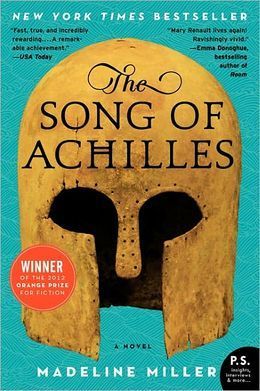
The Song of Achilles
Two Miller books on one list feels like cheating but she's the only person doing this particular thing at this level. Where Circe is about exile and self-making, Song of Achilles is about glory culture and what it destroys. The Trojan War setting isn't backdrop, it's the antagonist. The honor economy, the divine interference, the specific way Greek heroism requires a man to choose his legend over his love, all of it is rendered with enough granularity that the ending doesn't feel tragic in a vague way. It feels inevitable and specific. Patroclus and Achilles are a love story that the world is specifically designed to break, and Miller doesn't flinch from that.
Cities and Courts That Feel Alive
Setting as character, most literally. These are books where the city or court has its own logic, its own history, its own claim on the reader's attention independent of any individual storyline.
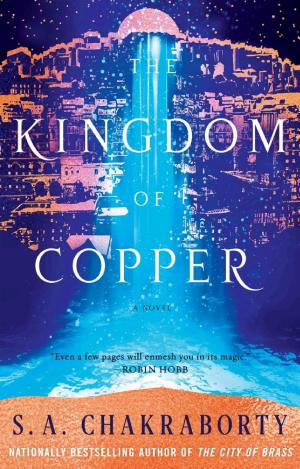
The Kingdom of Copper
Daevabad is a djinn city drawn from Islamic mythology and history with a level of care and specificity you don't encounter often. By book two, Chakraborty has fully committed to showing you the city's competing factions, its class tensions, its long colonial wounds, all refracted through a love triangle that is genuinely agonizing because both men represent different futures for the same broken place. Nahri's position as an outsider who doesn't fully belong to any camp gives the reader a clean lens into the world without ever feeling like a tour guide situation. Warm on spice but the tension runs very hot. One of our favorites in this list for sheer architectural ambition.
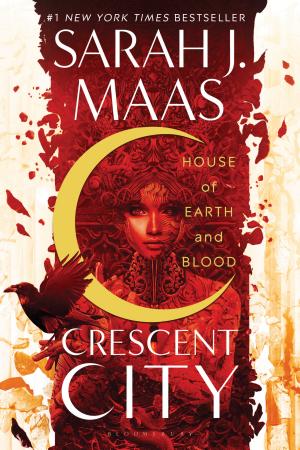
House of Earth and Blood
Crescent City is Maas's messiest and most maximalist project, which is saying something, and it's also the one where the city does the most work. Lunathion has a whole infrastructure: the ley lines, the Drop, the distinction between old money fae and the mixed-species neighborhoods Bryce actually lives in. The mystery plot forces you to map the city's geography and social layers at the same time as the romance develops, so by the time the emotional stakes arrive, you have a sense of exactly what's being protected and exactly what's being lost. The supernatural mystery scaffolding is genuinely good. Don't skip the first hundred pages because they're setting up a world that pays off.
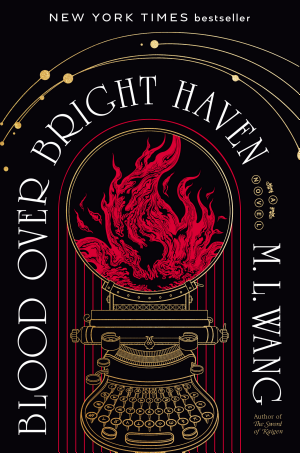
Blood Over Bright Haven
This one is harder to categorize and we're recommending it anyway. Tiran is an industrial city built on a magic system with a very specific cost, and M.L. Wang is interested in who pays that cost and who doesn't, in how a society organizes itself around an exploitative resource and calls it progress. Sciona is not a romantic heroine in the conventional sense. She's prickly, ambitious, and frequently wrong in ways that are uncomfortable to read. The romance is secondary to the worldbuilding and the ethics, which we know is a dealbreaker for some readers. But for the reader who wants a setting that has the weight of a real city with real politics, this standalone delivers something unusual. Warm on spice, genuinely unsettling in its ideas.
Magic Systems That Shape the Romance
These books have magic with rules and consequences, and those rules directly determine what the characters can and can't do for each other. The worldbuilding isn't decorative; it's structural.
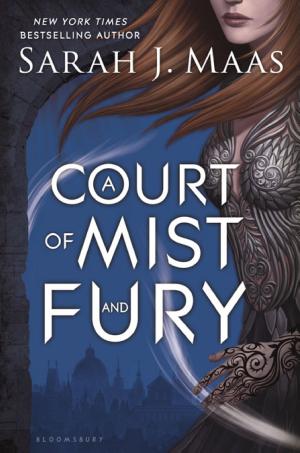
A Court of Mist and Fury
The Night Court is doing so much more than providing a dark-and-broody aesthetic. Velaris exists as a protected secret for reasons that are structural to the entire political situation in Prythian, and Rhys's position as the Court of Nightmares' terrifying high lord while privately holding something completely different creates the central tension of the romance in a way that only works because the world has been built carefully enough to make both faces of him plausible and costly. Feyre mapping the world through her trauma recovery and her growing power gives you the geography and the politics at the pace of her own understanding. ACOMAF is the book that justified the whole series for most readers and the worldbuilding is a big reason why.
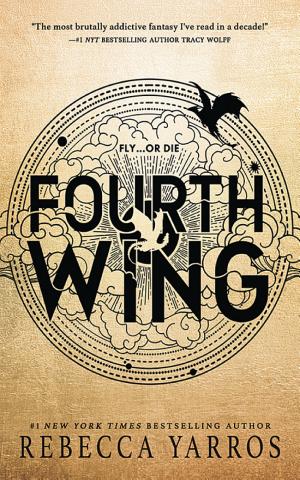
Fourth Wing
The war college setting works as well as it does because Yarros commits to its logic: the bonding system, the signets, the way dragon riders are stratified and how that stratification intersects with everything Violet and Xaden are trying to hide from each other. The dragons themselves are characters with their own personalities and political allegiances, which sounds like it should be too much and somehow isn't. The romance is enemies-to-lovers with a genuine enemies-justified reason behind it. If you bounced off this one for hype reasons, we'd say try the first fifty pages again, specifically for the way the Academy's infrastructure creates stakes before the romance even starts.
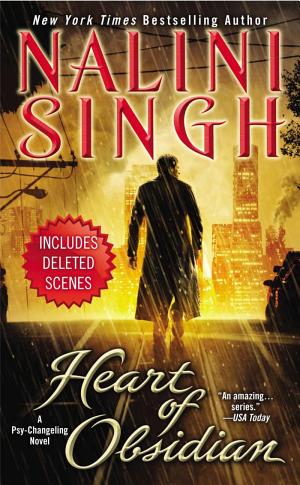
Heart of Obsidian
The Psy-Changeling series has been building its world across twelve books by the time this one arrives, and Heart of Obsidian is the payoff for all of it. The PsyNet, the Silence Protocol, the political triangulation between Psy, Changeling, and human factions: none of it is window dressing. Kaleb Krychek is the most powerful and most morally opaque character in the series, and Singh uses the world's specific logic to make his love story both terrifying and earned. Yes, you should start at book one. No, we won't pretend that's a casual commitment. But if you want a paranormal romance world where every major relationship reshapes the geopolitical landscape, Singh's is the gold standard.
Atmosphere So Thick You Could Cut It
Not every great setting is built through systems. Sometimes a world works because the author renders its texture so precisely that it accumulates weight. These two books do that.
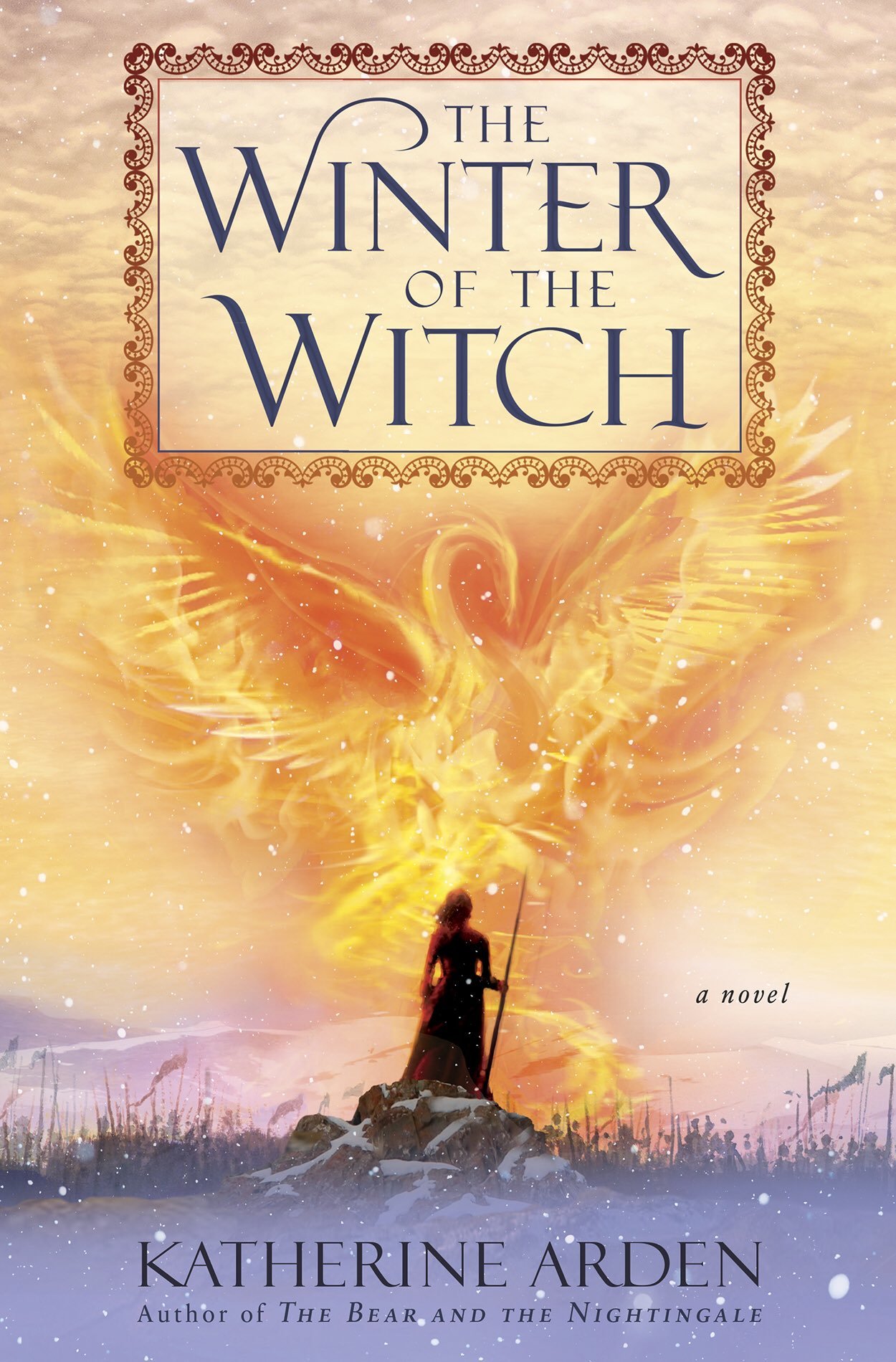
The Winter of the Witch
Medieval Russia during a specific historical inflection point, with old Slavic folklore pressing against the edges of encroaching Christianity. Arden's world feels cold. It feels like winter in the bones, like firelit rooms surrounded by dangerous wilderness, like a country in the middle of losing its old gods and not entirely sure what replaces them. Vasya's relationship with Morozko, the winter-king, is forbidden in multiple registers at once, spiritually, cosmologically, practically, and the world's specific mythology is what makes each register feel real. This trilogy is the one we'd hand to readers who think romantasy can't do literary atmosphere. Warm on spice, very high on longing and consequence.
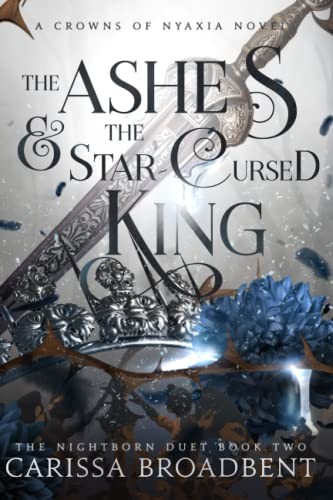
The Ashes and the Star-Cursed King
Broadbent's Nyaxia is a goddess whose mythology governs the entire vampire world in ways that feel genuinely alien rather than just European vampire lore with a new coat of paint. The three vampire houses have distinct cultures and tensions, the Kejari tournament creates a specific ritualized cruelty with religious weight behind it, and the divine is present and capricious and actually dangerous. By book two, after the events of the first, Oraya is navigating a kingdom that has been remade around her without her consent, and the romance with Raihn is political before it's personal in ways that the world makes necessary. The Crowns of Nyaxia is the series we recommend most often to readers who finished ACOTAR and want something with denser lore.
Tell us what you love and what you avoid. Every book gets scored to match.
Create My Profile