There's a version of "strong female lead" we're not interested in: the one who's described as fierce in the blurb but spends three hundred pages being rescued and reassured. We've DNF'd enough of those. The heroines on this list make choices that cost them something. They carry the plot on their backs, fight their own battles, and refuse to be moved when being moved would be easier. Some of them are warriors. Some are queens. One is a goddess who spent centuries being underestimated. The strength looks different in each book, which is exactly the point.
We've organized these by the flavor of strength, because what you want on a particular reading day matters. Sometimes you want a woman dismantling an empire. Sometimes you want one who survives something quietly devastating and comes out the other side still herself. Both count. Both are on this list.
Spice ranges from closed-door to scorching, series lengths from standalones to sprawling multi-book commitments. We've noted both. Fair warning: several of these are later books in their series, and the strength on display is partly earned over dozens of prior chapters. We've flagged when that's the case.
1,000+ romance books tagged by trope. Filter by spice, genre, and series length.
Start HuntingThe Warrior: She Fights and Wins
These heroines are in the thick of it, blades and magic and all. The romance is real, but nobody's mistaking her for a damsel.
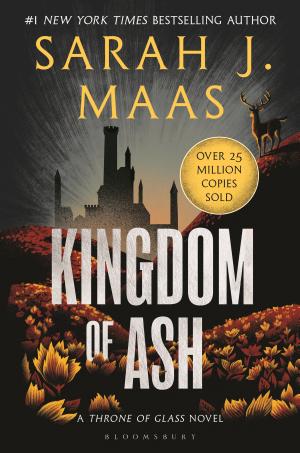
Kingdom of Ash
Aelin Galathynius has been a slave, an assassin, and a queen, and in this finale she carries all three at once. This is the payoff for eight books of one of fantasy romance's most relentless heroines, and Maas earns it. Aelin does not wait to be saved. She is the plan. The emotional devastation is proportional to how much the series has built her up, which is considerable.

Magic Bleeds
Kate Daniels is the template for a lot of heroines who came after her, and she still does it better than most. She's sarcastic, she bleeds, she wins ugly. Book four is where the slow burn with Curran finally breaks open, but the romance only works because Kate has been refusing to compromise herself for three prior books. Ilona Andrews never lets her win easily, and she never lets her lose her spine either.
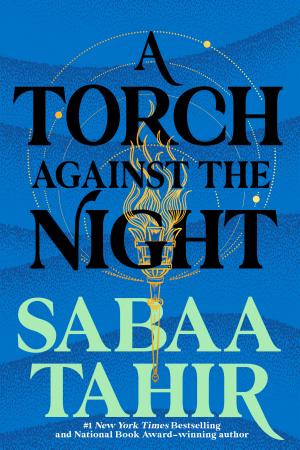
A Torch Against the Night
Laia of Serra is not a born warrior, which makes her brand of strength more interesting than most. She's terrified through half this book, and she does it anyway. She breaks into an empire's most fortified prison to rescue her brother. Tahir writes fear honestly, which means the courage costs something every time. Low spice, very high stakes. The love triangle is there but the mission drives everything.
The Ruler: She Holds Power and Knows What to Do With It
Queens, commanders, leaders who have to make impossible choices. The romance is complicated by the fact that she has an entire kingdom to think about.
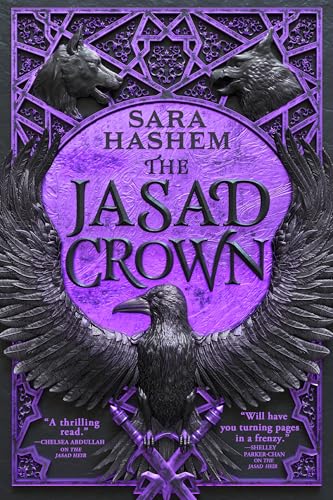
The Jasad Crown
Sylvia has spent two books hiding who she is, and this finale is about what happens when she stops. She's a fugitive queen who becomes the only hope for a destroyed kingdom, and the weight of that sits on every page. Hashem's court politics are genuinely complicated, not just decorative, and Sylvia has to navigate them without losing herself or the man she's falling for. A tight duology, no filler.
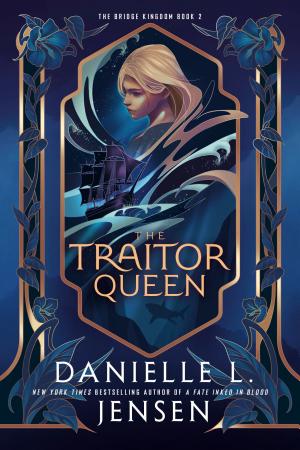
The Traitor Queen
Book one established Lara as a spy sent to destroy a kingdom from within. Book two flips it: now she has to fix what she broke and earn back a king she betrayed. The grovel is hers to perform, which is a structural choice we don't see often enough, and Jensen commits to it. Lara is calculating and ruthless and also capable of genuine remorse, and watching her navigate both is something.
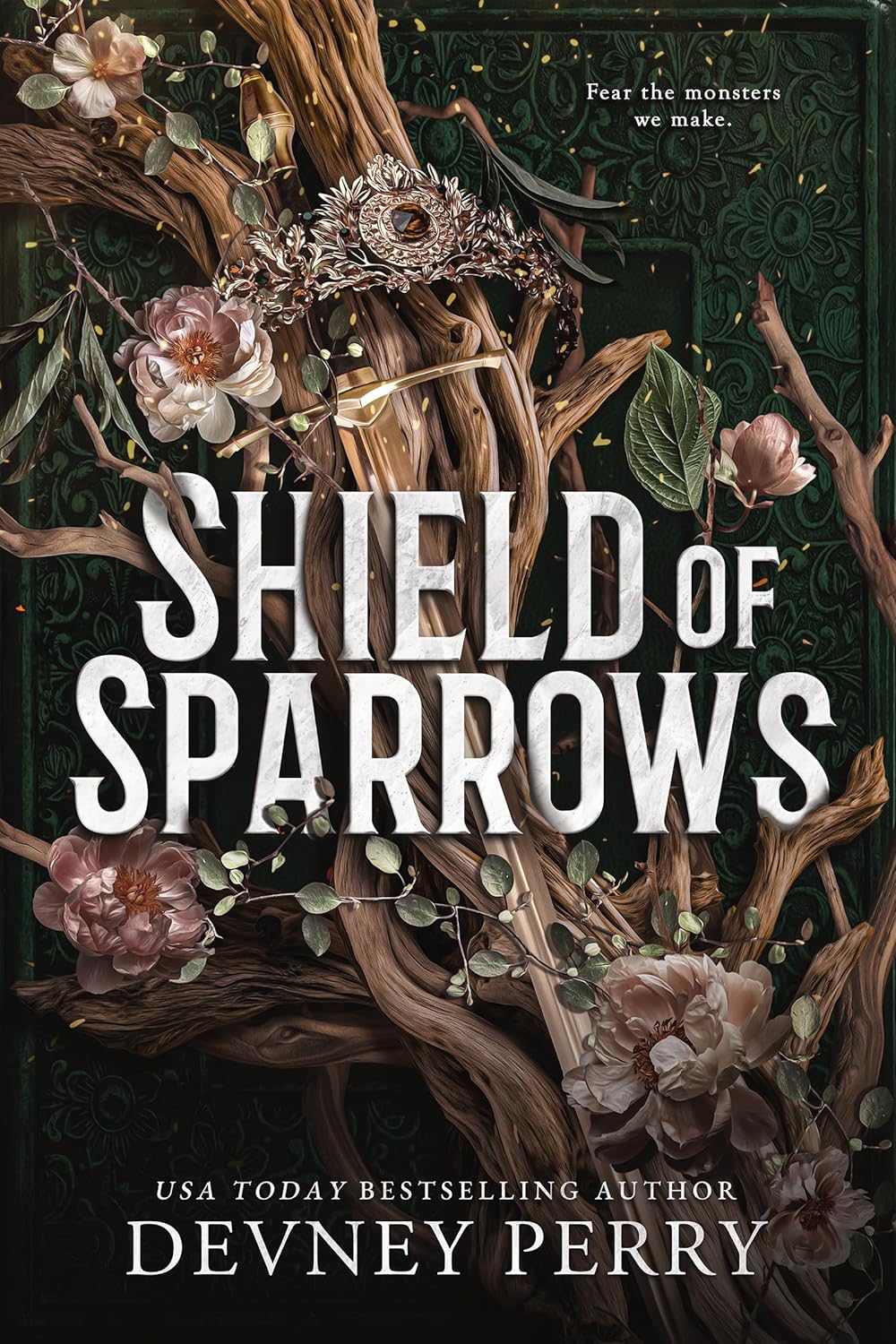
Shield of Sparrows
A princess who was never meant to rule or fight and ends up doing both. Perry's worldbuilding leans into gods-send-monsters mythology, and the premise gives the FMC a genuinely hostile starting position: her only role is to obey. Watching her refuse that role is the whole pleasure of the book. Standalone, which is increasingly rare in romantasy, so the pacing is efficient and the ending is complete.
The Survivor: She Has Already Been Through It
These heroines are not at the start of their damage. They've carried something for a long time. The strength here is quieter and often harder to write convincingly.
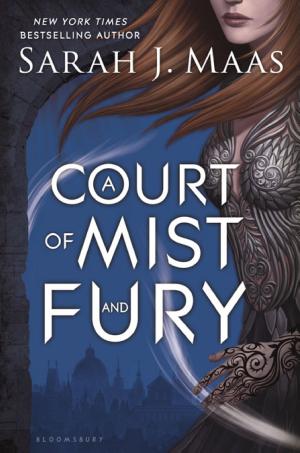
A Court of Mist and Fury
Feyre starts this book broken. The trauma from book one is not minimized or skipped; it shapes every chapter. What Maas does well here, better than in most of her other work, is show the process of someone rebuilding herself from actual wreckage. Feyre doesn't recover because the MMC fixes her. She recovers because she refuses to stop. The romance accelerates that but doesn't replace it.
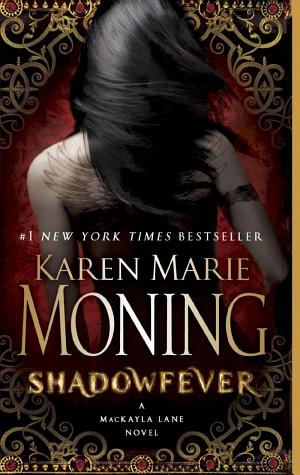
Shadowfever
Mac O'Connor arrived in Dublin looking for her sister's killer as a girl who cared about nail polish. Five books later she is something else entirely, and Moning has earned every transformation. Shadowfever is the conclusion of the original arc and it pays off years of questions, betrayals, and Mac refusing to be anyone's pawn. The world-threatening stakes are genuine and so is the emotional toll. Read the series in order; this doesn't work as a standalone.
The Outsider Who Claims Her Power
Women who start with nothing, or who are told they're nothing, and end up reshaping the world they were meant to fit quietly into.

Gleam
Auren has spent two books as King Midas's prized possession, physically gilded and emotionally contained. Book three is where she finally understands the difference between a gilded cage and gold. Kennedy has been slow-burning Auren's self-actualization alongside the romance, and in Gleam both things crack open. The power reveal is not just magical but psychological. This is the book where she stops asking permission.

Circe
Circe is born unremarkable in a family of gods who value power above everything. Miller spends four hundred pages showing how she builds herself anyway, through centuries of isolation, mistakes, terrible men, and a magic she had to teach herself. The romance is secondary to the self-possession arc, which is part of why it works so well when it arrives. Closed-door by modern romantasy standards but the emotional intensity is scorching. One of the better-written sentences-on-every-page books in the genre.
The Operative: Skill Is Her Strength
Trained, tactical, and usually doing a job that would kill anyone less competent. The romance tends to hit differently when both parties are professionals.
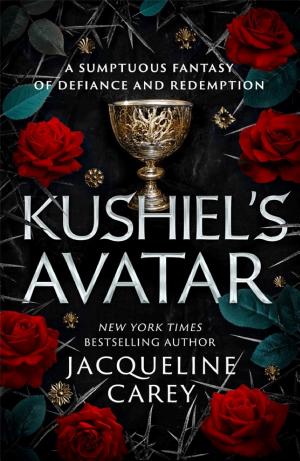
Kushiel's Avatar
Phèdre nó Delaunay is a courtesan, a spy, and an instrument of a god, and Carey writes her with complete unsentimental clarity. By book three she is attempting an impossible rescue through genuinely dangerous territory, and her strength is not physical but something harder to quantify: she endures, she observes, she outmaneuvers. The kink content is substantial and integrated into the story rather than appended to it. This is not for everyone, but if it's for you, there's nothing else quite like it.
Tell us what you love and what you avoid. Every book gets scored to match.
Create My Profile