Nalini Singh's Guild Hunter series is one of those paranormal romance universes where the worldbuilding is so dense and the central couple so consuming that readers sometimes panic when they realize there are 16 books and counting. The series follows Elena Deveraux, a vampire hunter who gets pulled into the world of archangels after being commissioned by the terrifying, beautiful Raphael, and the two of them spend multiple books navigating power imbalances that are genuinely extreme. He is thousands of years old and could level a city. She is mortal (for a while). The tension this creates is not the fake kind.
We'll be upfront: we're biased toward the early books and the Raphael-Elena arc. The series has a rotating cast and some entries focus on side characters, which can feel like a detour right when you're desperate for more of the main couple. That said, Singh is exceptional at making secondary characters earn their own stories, so the payoff is usually worth it. What you're here for is the reading order, the trope breakdown, and an honest sense of what spice level to expect, so let's get into it.
We've also pulled together companion reads for when you finish a Guild Hunter book and need something that scratches the same itch. The series trades heavily in immortal lovers who are possessive and terrifying, heroines who refuse to be diminished, and a specific flavor of angst where the emotional stakes feel genuinely life-or-death. The books below either share those qualities or sit in the same paranormal romance neighborhood.
1,000+ romance books tagged by trope. Filter by spice, genre, and series length.
Start HuntingStart Here: The Raphael-Elena Foundation
The first few books establish the central couple and the political structure of the Cadre of Ten, the archangels who rule the world. Elena is a Guild hunter, which means she tracks down rogue vampires for pay. She has a rare ability to scent angels and vampires that makes her valuable and dangerous. Raphael wants to use her. Then he doesn't want to stop thinking about her. The power gap between them is the engine of the series, and Singh doesn't paper over it.
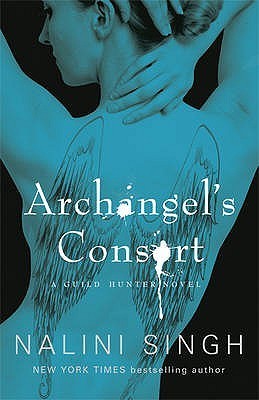
Archangel's Consort
Book three is where the Raphael-Elena dynamic really crystallizes. They're back in New York after the events of the first two books, and an ancient threat is waking up that Raphael alone cannot stop. Elena is still adjusting to what she's becoming, still fighting to be seen as a partner rather than a liability, and the emotional tension between them reaches a peak here. Singh writes possessiveness in a way that reads as devotion rather than control, which is a difficult balance, and this book gets it exactly right. Content warning for some disturbing violence involving children in the opening.
If the Angel-Vampire World Isn't Enough: Paranormal Romance with the Same DNA
Guild Hunter sits in a specific paranormal romance tradition: morally gray immortal men, heroines with unusual abilities who refuse to be sidelined, and a world where love is complicated by the fact that one person has centuries of history and the other is still figuring out their power. These series scratch the same spot.
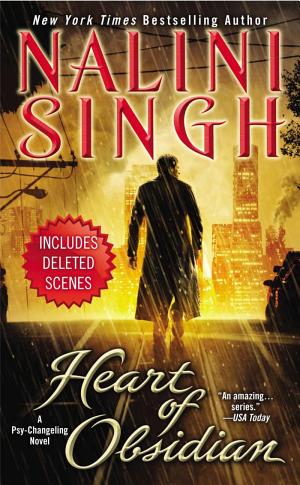
Heart of Obsidian
Singh's other long-running paranormal romance series, and arguably the book where she writes the most extreme version of the possessive immortal hero. Kaleb Krychek is the most dangerous Psy alive, and his love story is built on decades of obsession and careful maneuvering. The power imbalance here makes even Raphael look approachable. Read at least the first few Psy-Changeling books first for full context, but if you want to understand why Singh's heroes work, Kaleb is the extreme case study. The angst is relentless in the best way.
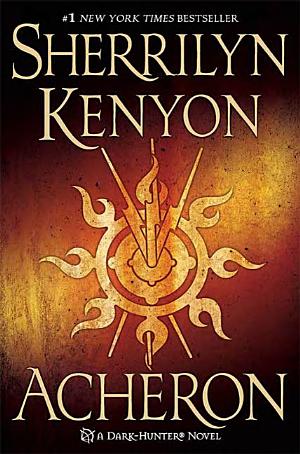
Acheron
Dark-Hunter is the series you recommend to Guild Hunter readers who want more of the immortal paranormal universe format, and Acheron is the book in that series most comparable to the emotional weight of the Raphael books. Acheron himself is thousands of years old, has endured more trauma than any character should, and his story is slow, devastating, and earned. The Dark-Hunter series is messier and sometimes more dated than Guild Hunter, but Acheron specifically is a landmark paranormal romance for a reason. Content warning for explicit historical abuse and assault in the backstory.
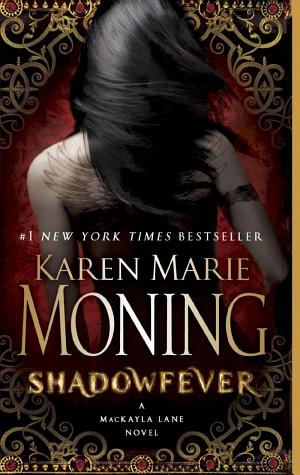
Shadowfever
The conclusion to the original Fever arc, and the book where everything Karen Marie Moning has been withholding finally detonates. Like Guild Hunter, the Fever series centers a human woman becoming something more as she gets pulled deeper into a world of immortal, morally complicated men. Barrons is the Raphael comparison readers make most often: ancient, terrifying, protective in ways that read as obsession. Shadowfever is the payoff book and should not be read out of order. Content warning for assault earlier in the series that has consequences here.
The Vampire Politics Thread: For Readers Who Love the Cadre Worldbuilding
Part of what makes Guild Hunter work is the political structure: a world where immortal beings have formal hierarchies, and power is constantly being tested. These books trade in the same currency.
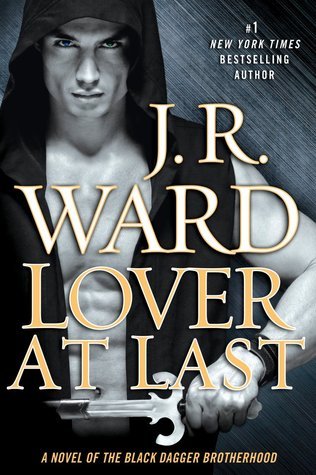
Lover at Last
Black Dagger Brotherhood and Guild Hunter are the two series readers most frequently cross-recommend, and for good reason. Both are long-running paranormal romance series with ensemble casts, intense found family energy, vampire politics, and heroes who are ancient and dangerous. Lover at Last is the slowest of slow burns in the BDB universe, a friends-to-lovers story that took eleven books to get to. The emotional weight is proportional to the wait. BDB is messier and more maximalist than Guild Hunter, which we say with affection.
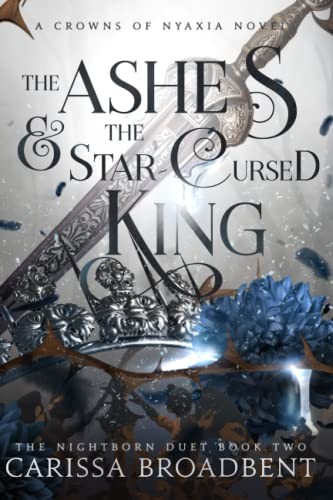
The Ashes and the Star-Cursed King
Carissa Broadbent writes the specific flavor of immortal vampire love interest that Guild Hunter readers respond to: morally gray, possessive without being unreadable, and carrying centuries of damage that the heroine has to navigate. Book two of Crowns of Nyaxia is where the series fully commits to its emotional register. Oraya is a prisoner in her own kingdom after the events of book one, and the power dynamic between her and Raihn is as unstable and charged as anything in the Raphael-Elena arc. The grovel in this book is particularly good.
Strong Heroines Becoming Something More: The Power Arc
Elena's arc is fundamentally about a woman who already has extraordinary skills discovering that she has even more to become. The transformation is physical but also about identity and autonomy. These books run a similar thread.
Magic Bleeds
Kate Daniels is the series we recommend to every Guild Hunter reader who wants another paranormal romance heroine who is genuinely dangerous and refuses to be protected at the expense of her own agency. Magic Bleeds is where the central romance stops dancing around itself and commits, and it's also the book where Kate's power scale starts to become truly alarming. The humor is sharper than Guild Hunter, the prose is faster, and the Atlanta worldbuilding is its own pleasure. If you haven't started Kate Daniels, book one is the place, not here, but this is the book that seals the series for most readers.
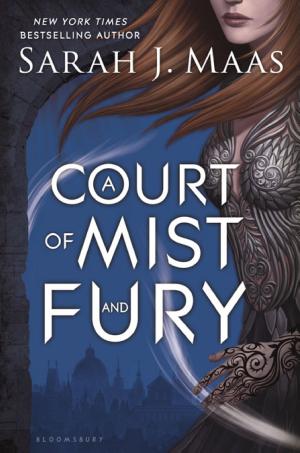
A Court of Mist and Fury
The comparison point here is specific: Feyre in ACOMAF is doing what Elena does across the Guild Hunter series, building her own power and identity inside a relationship with an immortal man who is simultaneously terrifying and devoted. Rhysand and Raphael occupy similar narrative space. We find ACOMAF more emotionally explosive than book one, and the found family element is stronger here than almost anywhere in the genre. Content warning for PTSD depictions and some difficult scenes around bodily autonomy in book one that carry into this one.
For the Angst: When You Need the Emotional Devastation Turned Up
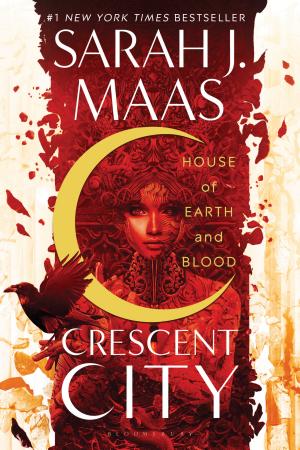
House of Earth and Blood
Crescent City is SJM's paranormal romance series, set in a world much closer to Guild Hunter's urban fantasy register than the more purely fantasy ACOTAR. Bryce Quinlan is one of the funniest heroines Maas has written, and then the book sucker-punches you. The grief arc here is legitimately brutal. Hunt Athalar is an angel, enslaved, morally complicated, and it takes a long time for either of them to admit what's happening between them. The supernatural mystery structure also scratches the procedural itch that Guild Hunter has in its early books. Content warning for murder of main characters' friends in the opening act.
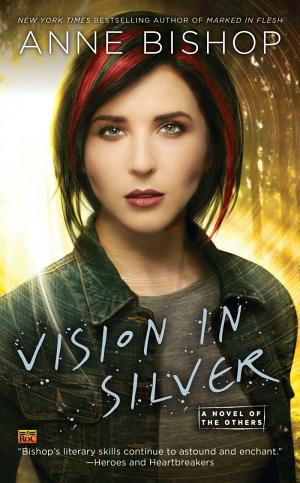
Vision in Silver
This is the recommendation for Guild Hunter readers who want to dial the spice down and the emotional tension up. The Others series features immortal beings who are genuinely more dangerous than humans can comprehend, a heroine who is both fragile and the most important person in the room, and a slow burn that operates on the biological level of two very different species figuring out if closeness is even possible. Cassandra Sangre equivalents appear here in the Cassandra beings. The found family element in this series is exceptional. Start with book one, Written in Red, not here.
Tell us what you love and what you avoid. Every book gets scored to match.
Create My Profile